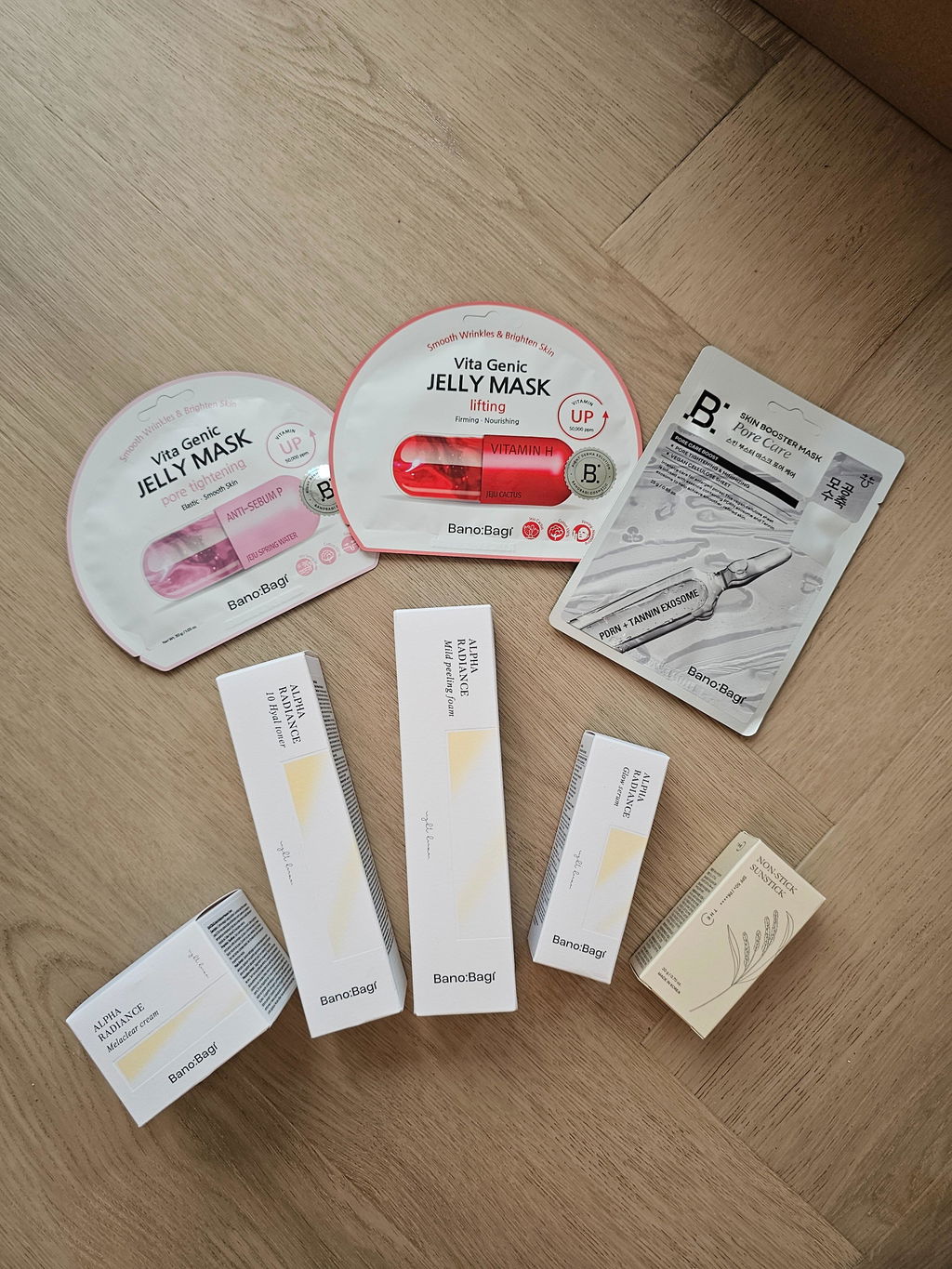
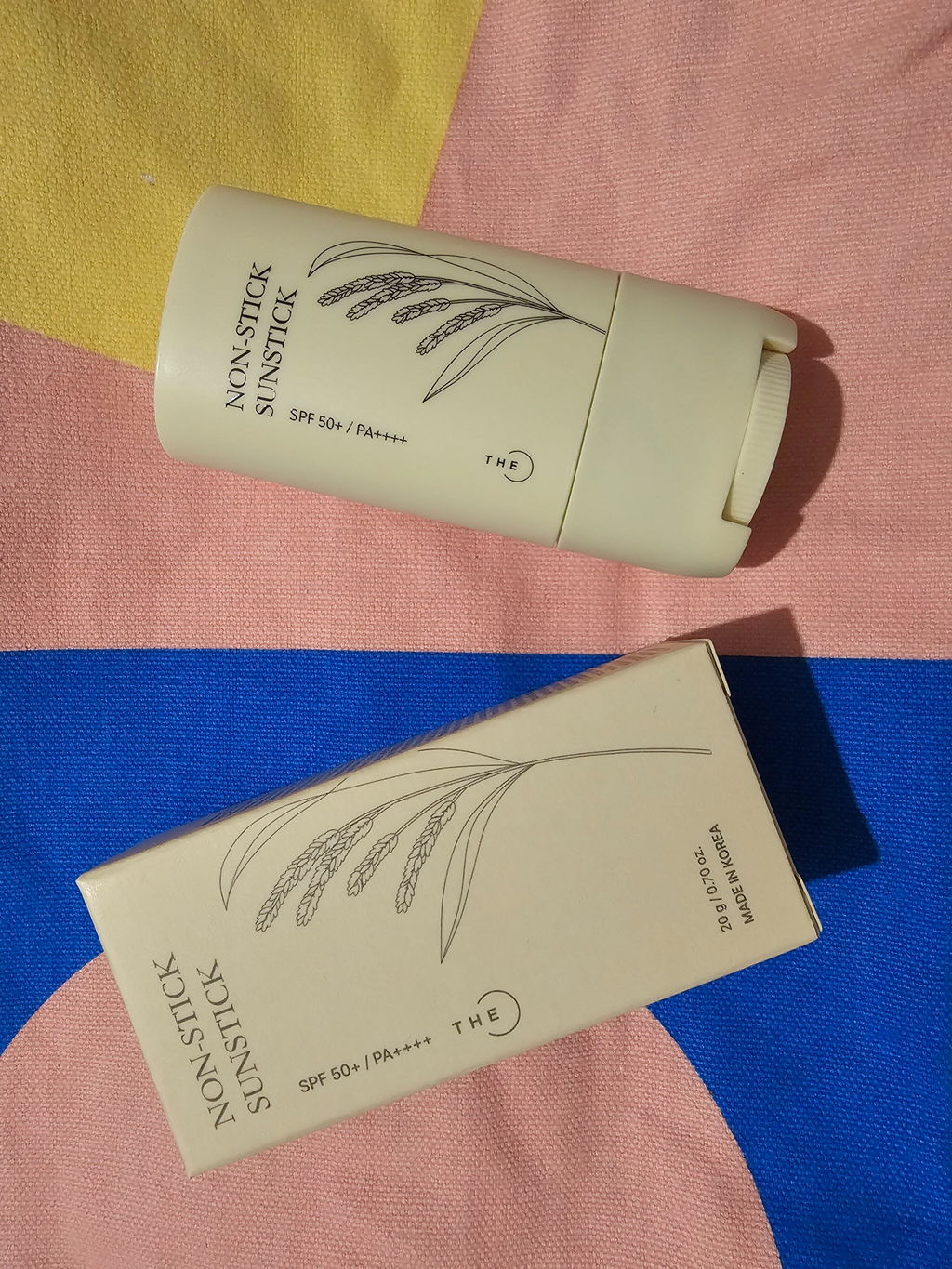
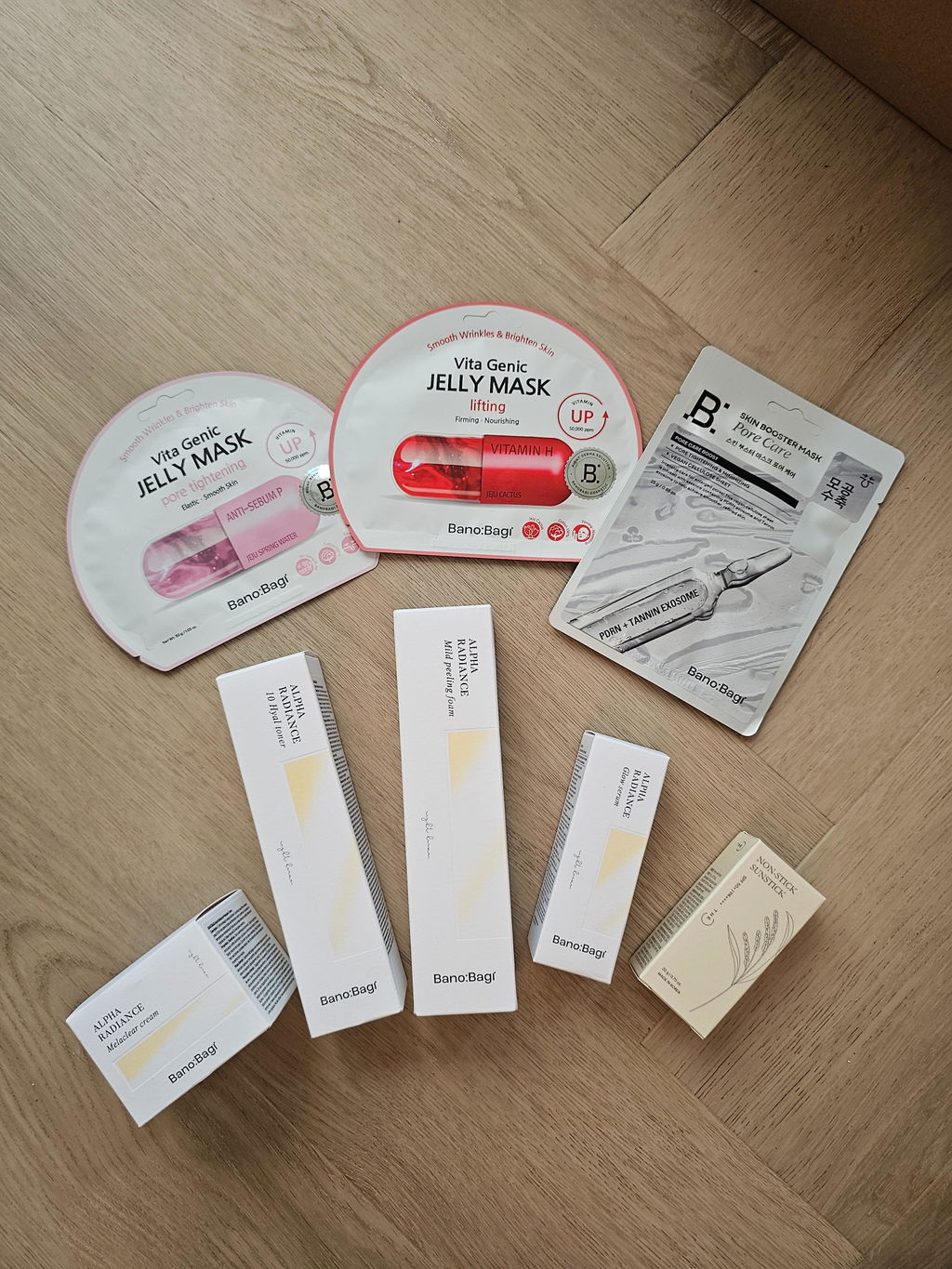
Korean skincare has become a global benchmark in the world of skincare. Once considered a niche trend reserved for K-beauty enthusiasts, it has gradually found its way into skincare routines around the world.
Its popularity is not solely driven by social media or the influence of Korean dramas. If Korean skincare has achieved such widespread success, it is primarily because its formulations are highly effective, innovative, and enjoyable to use on a daily basis.
Lightweight textures, advanced ingredients, long-term skincare philosophies, and more sophisticated sun protection have transformed the way many consumers approach skincare.
But why does Korean skincare work so well? Why do so many people consider Korean skincare products to be better for their skin?
Here are the key reasons why Korean skincare is now regarded as one of the most advanced skincare industries in the world.
A radically different approach to formulation
This is where K-beauty truly stands apart from other global beauty industries, and it is probably one of the main reasons why its products perform so well across a wide range of skin types.
K-beauty follows a formulation philosophy that considers ingredient synergy, texture design, skin microbiome compatibility, and long-term skin health. In practice, this means Korean manufacturers rarely develop products in isolation. Instead, they consider how a product will interact with the rest of a skincare routine, the skin’s pH level, and the active ingredients applied before and after it.
K-beauty has also popularized lightweight yet nourishing textures, gel-based moisturizers, and fast-absorbing serums—formats that deliver deep hydration without clogging pores and have since influenced skincare formulations worldwide.
An approach focused on the skin’s actual needs
While some brands develop products designed to suit as many people as possible, Korean skincare often focuses on addressing specific skin concerns.
Dehydration, a weakened skin barrier, excess sebum, redness, inflammatory breakouts, sensitivity, or hyperpigmentation typically each correspond to targeted formulations and carefully selected ingredient combinations.
This approach helps explain why Korean skincare is often perceived as more tailored and cohesive.
For example, oily skin is not automatically treated with harsh or drying products. Instead, formulations generally aim to gradually rebalance the skin through lightweight textures, soothing ingredients, and appropriate hydration.
Likewise, sensitive skin is often approached through skin barrier support rather than aggressive correction.
This philosophy tends to result in routines that are more balanced and better tolerated over time.
Strong innovation in ingredients and textures
South Korea is home to one of the most competitive beauty industries in the world. Brands operate in an extremely fast-paced market where innovation plays a central role.
This environment encourages laboratories to continuously develop new textures, new formulation technologies, and innovative ingredient combinations.
This is one of the reasons Korean skincare works so well for many different skin types: formulations are constantly being improved to enhance both effectiveness and skin compatibility.
Korean brands have also played a major role in popularizing ingredients that have since become staples in skincare products worldwide, including:
-
Centella Asiatica
-
ceramides
-
ferments
-
probiotics
-
niacinamide
-
next-generation UV filters
The goal is not simply to include trending ingredients, but to create balanced formulations in which ingredients work together without overwhelming the skin.
A philosophy built around prevention
This may be the most fundamental difference between Korean and Western approaches to skincare.
One of the core principles of Korean skincare is prevention rather than late-stage correction.
Instead of waiting for wrinkles, pigmentation concerns, or significant sensitivity to appear, Korean skincare routines aim to preserve skin health as early as possible through consistent hydration, daily sun protection, and products that respect the skin barrier.
This philosophy directly influences the way products are formulated.
It also helps explain why many Korean skincare routines tend to deliver more gradual yet often more sustainable results over time.
The influence of traditional Korean medicine: Hanbang
Another distinctive feature of Korean skincare comes from the influence of Hanbang, traditional Korean herbal medicine.
Hanbang is a centuries-old philosophy that has shaped the Korean approach to skincare for generations.
The beauty treatments used by queens and aristocrats during the Joseon Dynasty already relied on ingredients such as ginseng, licorice root, angelica root, and peony—ingredients that can still be found in modern K-beauty formulations today.
This heritage explains why Korean skincare brands continue to draw inspiration from ingredients such as:
-
ginseng
-
rice
-
green tea
-
mugwort
-
fermented medicinal roots
Their presence in modern skincare is no coincidence. These ingredients have remained popular for centuries because they have consistently demonstrated their benefits.
Today, they are incorporated into sophisticated formulations that combine traditional wisdom with advanced cosmetic research.
This blend of ancestral ingredients and modern innovation is one of the defining characteristics of K-beauty.
Why can Korean skincare sometimes cause breakouts?
This is a common question among people who are new to Korean skincare: why can Korean skincare sometimes cause breakouts at the beginning?
In most cases, it does not mean that the products are ineffective or unsuitable.
The issue often comes from introducing too many new products at once. Many Korean skincare routines rely on layering lightweight products, which can become overwhelming if the routine does not match the skin's actual needs.
Some oily skin types may also react poorly to overly rich textures or routines that contain too many hydrating layers.
In addition, certain exfoliating ingredients can trigger a temporary skin purge by accelerating cell turnover.
This is why it is essential to introduce new products gradually and build a routine based on your skin type rather than simply copying a routine seen on social media.
What truly sets Korean skincare apart?
If Korean skincare has become so popular worldwide, it is not solely because of trends or marketing.
Its success is largely based on a more modern, sensory, and often more skin-friendly approach to skincare.
Innovative formulations, refined textures, a strong focus on skin barrier health, advanced sun protection, and products developed for specific skin concerns have all helped K-beauty redefine the standards of modern skincare.
Ultimately, however, the most important factor is building a routine that suits your skin, your concerns, and your sensitivity levels.
Even the most advanced formulations can never replace a routine that is consistent, balanced, and introduced progressively.
Discover our selection of Korean skincare products at Shifumie.