Over the past few years, PDRN has gradually established itself as one of the most talked-about ingredients in Korean skincare.
Initially used in aesthetic medicine and professional dermatological treatments, it is now appearing in an increasing number of products designed for everyday at-home use. Serums, toners, creams, hydrogel patches, and even microneedling-inspired treatments: Korean brands are now developing entire product lines around this ingredient, known for its skin-repairing and regenerative properties.
While the name may sound highly technical at first, the concept is actually quite simple: PDRN is used to help support the skin's natural repair processes and promote a healthier, smoother, and more radiant-looking complexion.
But what exactly is PDRN in skincare? Why is salmon PDRN often mentioned? What are its actual benefits for the skin? And most importantly, what types of products are available today to easily incorporate it into your skincare routine?
Here's everything you need to know.
What does PDRN stand for?
PDRN stands for Polydeoxyribonucleotide.
In skincare, PDRN refers to an ingredient used to support the skin's natural repair mechanisms. It is particularly popular in products designed to improve the appearance of weakened, dehydrated, or tired-looking skin.
The most well-known form is salmon PDRN, which is derived from purified salmon DNA. This ingredient is widely used in K-beauty products and Korean aesthetic treatments, largely because it has a high level of biological compatibility with human skin.
Although it may sound surprising at first, salmon DNA has been studied in the medical field for many years due to its role in tissue repair.
In skincare, PDRN does not work like an aggressive exfoliating acid or a quick-fix radiance booster. Its appeal lies in a more gradual approach: helping the skin regain balance and supporting its natural regeneration processes.
Why has PDRN become so popular in K-beauty?
PDRN-based skincare is primarily valued for its gentle, restorative approach, especially compared to certain powerful active ingredients that may compromise the skin barrier when used incorrectly.
It is also a highly versatile ingredient.
Today, PDRN products are commonly incorporated into routines designed to:
-
improve hydration
-
soothe redness
-
strengthen the skin barrier
-
enhance overall skin radiance
-
improve skin suppleness
-
support skin that has been sensitized by harsh treatments or is prone to blemishes
The main benefits of PDRN for the skin
Supporting the skin's natural repair process
This is the primary benefit associated with PDRN.
The ingredient is best known for supporting skin regeneration, which is why it is frequently used after certain aesthetic procedures performed in professional settings.
In an everyday skincare routine, this can be particularly beneficial for sensitive skin, redness-prone skin, or skin that has been weakened by overly aggressive active ingredients.
Improving hydration and skin suppleness
PDRN products are often combined with hydrating ingredients such as hyaluronic acid, panthenol, and ceramides.
As a result, the skin may appear softer, better hydrated, and visibly plumper.
This is one reason why salmon PDRN skincare is especially popular among those with dull, tired, or dehydrated skin.
Soothing redness and skin sensitivity
Many PDRN products are formulated specifically for sensitive or compromised skin.
When the skin barrier has been weakened by an overly aggressive routine, these products may help improve comfort and support a healthier-looking complexion.
Korean formulations frequently combine PDRN with soothing ingredients such as:
-
Centella Asiatica
-
panthenol
-
aloe vera
-
ceramides
Improving the overall appearance of the skin
With regular use, PDRN may also contribute to a healthier-looking complexion, including:
-
a more even skin tone
-
smoother-looking skin
-
improved elasticity
-
a fresher and more rested appearance
It is important to note that PDRN skincare products do not replace medical or dermatological treatments. Results are generally gradual and depend on both consistent use and the overall formulation of the product.
The different types of PDRN products
One of the advantages of PDRN is that it is now available in a wide range of product formats suited to different skincare needs and routines.
PDRN toners
PDRN toners are generally formulated to provide an initial layer of hydration after cleansing.
Their lightweight, watery textures make them easy to incorporate into multi-step skincare routines without feeling heavy on the skin.
They are particularly suitable for dehydrated, sensitive, or redness-prone skin.
PDRN serums
PDRN serums are often more concentrated and focus more specifically on skin repair and improving skin radiance.
Korean brands frequently combine them with:
-
peptides
-
hyaluronic acid
-
ceramides
-
Centella Asiatica
These formulas are typically lightweight and comfortable, even for combination or oily skin.
PDRN creams
PDRN creams are primarily used to support the skin barrier and help reduce moisture loss.
They can be especially beneficial:
-
during winter;
-
after using exfoliating ingredients;
-
when the skin feels sensitized;
-
for skin lacking suppleness and hydration.
PDRN masks and patches
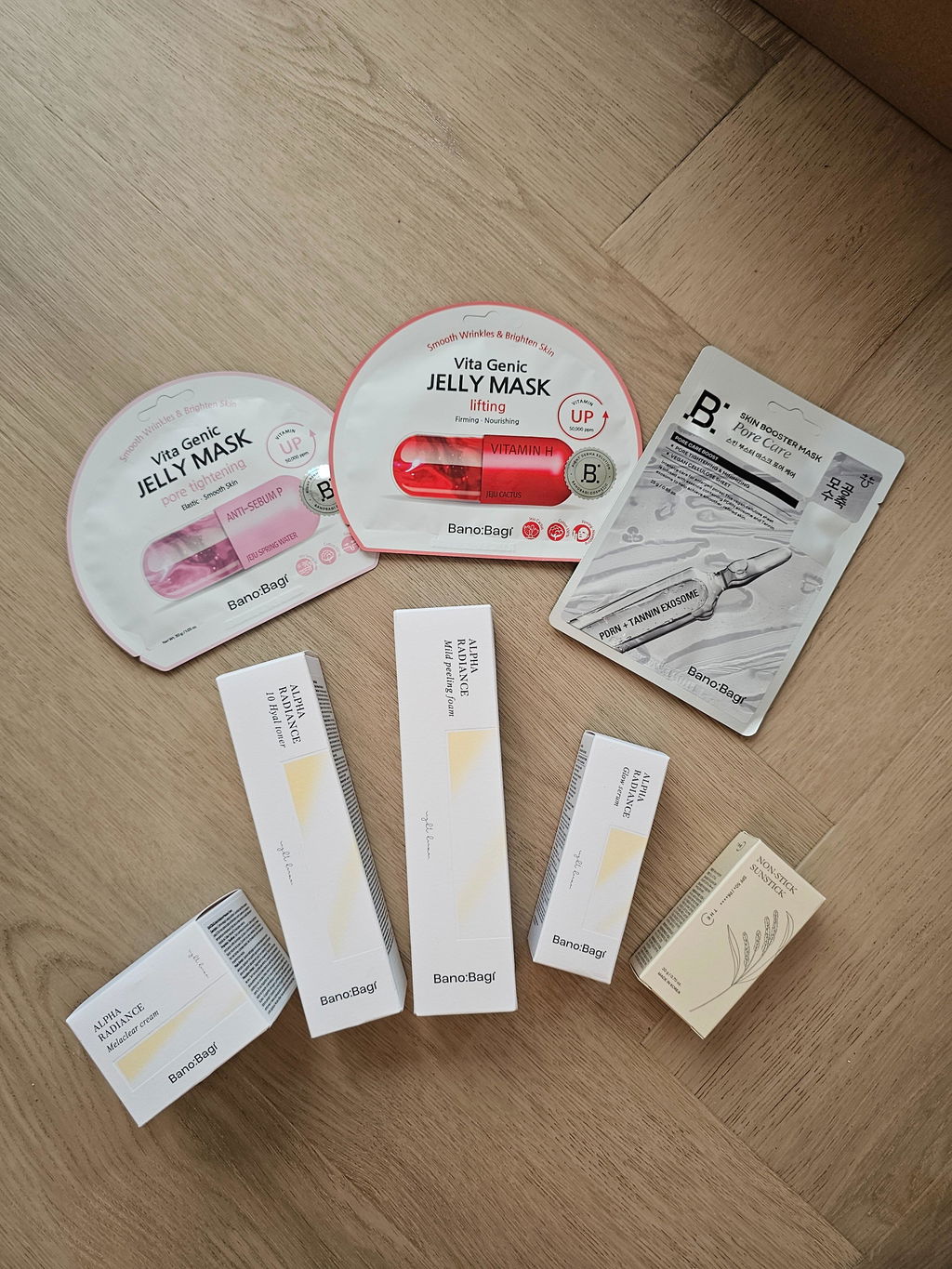
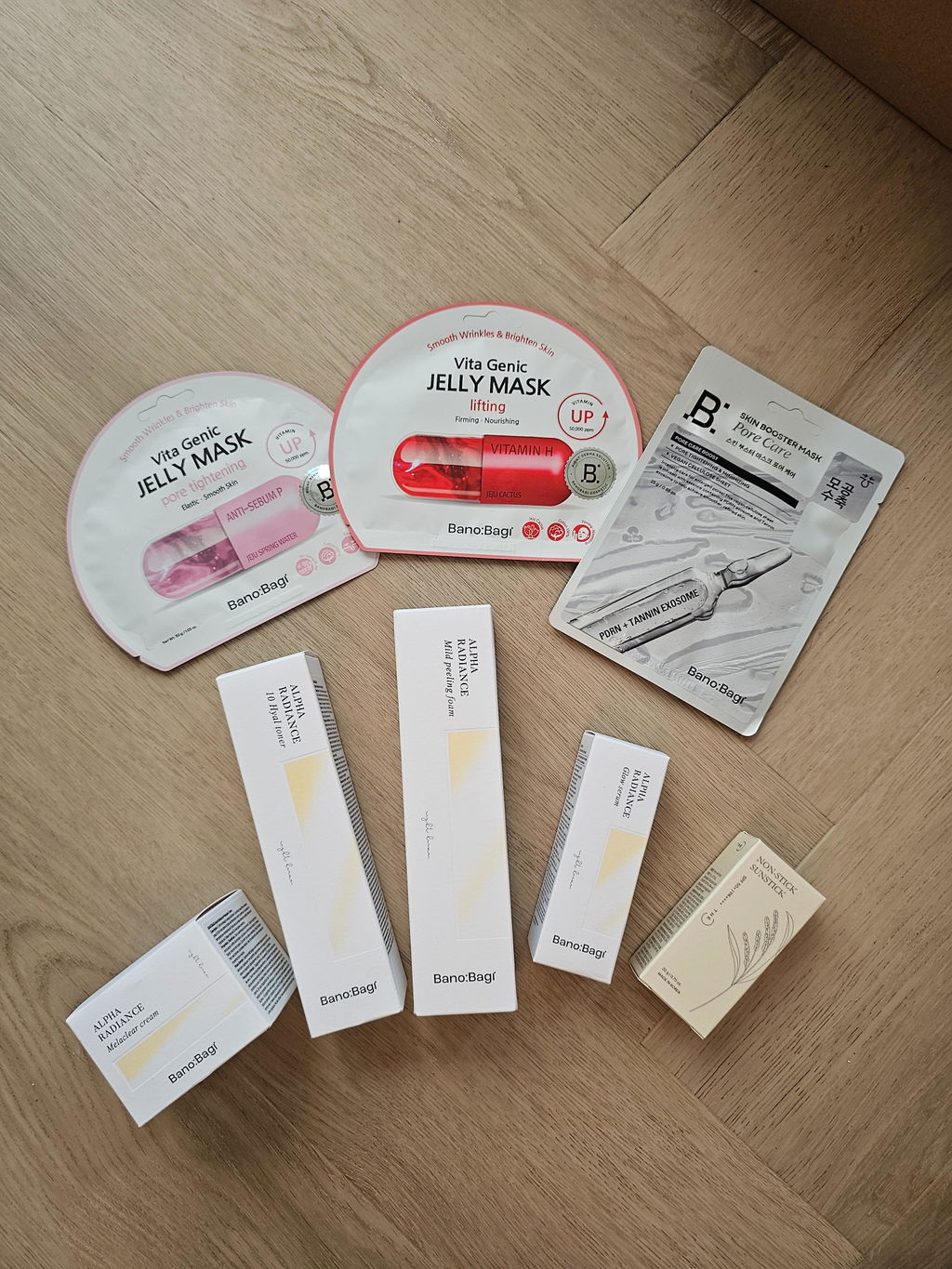
PDRN is also commonly found in Korean sheet masks and hydrogel patches.
These formats are mainly used to provide a quick boost of hydration and soothing care.
They can be particularly useful before a special event, after sun exposure, during periods of stress, or whenever the skin appears tired or sensitized.
Microneedling-inspired PDRN skincare
Some Korean brands have introduced PDRN products inspired by professional microneedling treatments.
These may include serums or ampoules specifically designed to enhance ingredient absorption, as well as accessories such as microneedle rollers intended to be used alongside skincare products.
However, it is important to distinguish between these at-home products and professional microneedling procedures.
Professional microneedling is performed by trained practitioners using specialized devices that create controlled micro-injuries in the skin to stimulate its natural repair mechanisms.
At-home microneedling-inspired products are significantly gentler and less intensive. They do not replicate the results of professional treatments.
People with highly sensitive, reactive, or compromised skin should also exercise caution and avoid excessive use of these products.
Who should use PDRN skincare?
PDRN skincare can suit a variety of skin types, but it is particularly appealing to those who want to care for their skin gently without relying on harsh or irritating active ingredients.
It may be especially beneficial for:
-
dehydrated skin
-
sensitized skin
-
dull skin
-
redness-prone skin
-
blemish-prone skin
-
skin beginning to lose elasticity
As with any new skincare product, it is best to introduce PDRN gradually, particularly if your skin is sensitive or reactive.
Can you use PDRN every day?
In most cases, yes.
PDRN skincare products are generally formulated for regular use and can be easily incorporated into a daily routine.
PDRN does not typically require an adjustment period and can be used both morning and evening, either on its own or alongside other skincare products.
The key is simply choosing a formula that suits your skin type and concerns.
What you should know about PDRN
PDRN is one of the few skincare ingredients that made its way from the medical field into everyday skincare.
Once reserved for professional treatments, it is now available in lightweight, accessible formulations while retaining the qualities that made it popular in the first place: supporting skin regeneration, helping the skin better withstand daily stressors, and promoting a healthier-looking complexion over time.
If you're looking for a restorative ingredient that can be easily integrated into your routine without a high risk of irritation, PDRN may be an excellent option.
Discover our selection of Korean PDRN skincare products at Shifumie.